
It is disheartening to see the phenomenon of hate embraced by so many people who don't understand the origin, meaning, or impact. To grasp the significance, you must first understand what it means. It is an intense, deep-seated emotional response of strong dislike,...
MAJOR BEN’S ARTICLES
Below is a list of articles by Major Ben Brooks that have appeared in the Times Herald.
Leaks
A leak is an unintended hole, crack, or fault that allows a substance- such as a liquid, gas, or light- to escape or enter a container or system. As a child growing up in the rural South, I watched my father build his own home. At that time, he installed a tin roof....
Masks and Officer Safety
As a career law enforcement officer, I am perplexed by the recent debate over officers wearing masks. Everything I learned about law enforcement involved honesty, integrity, and, most of all, transparency. The federal government has a duty to present law enforcement...
Bias Understood
As an international speaker, trainer, and consultant, I have been intrigued by the lack of understanding of various terms, with people using them without knowing their meanings or applications. At one of my National Speakers Association conferences, a presenter shared...
Fear and Bias as a Law Enforcement Blind Spot
Fear – an unpleasant feeling triggered by the perception of danger real or imagined. Origin - past experiences (0-6) History - nomadic days (fight or flight) Survival function - to protect us, triggered by a significant event, i.e., hot, cold, wet, trauma Source: New...
DEI America’s Biggest Blind Spot
In 2016, I took a course with AARP in defensive driving. Having been driving since I was sixteen, I was curious about what the instructor could teach me. I signed up for the course to get a discount on my car insurance. As the instructor went through his orientation,...
DEI, The Latest Bogeyman
DEI is the latest catchphrase that is the catalyst for the present state of the divided states of America. We raise and salute the flag as we recite the Pledge of Allegiance to the United States of America. As patriotic as that sounds, it is far from our day-to-day...
The Reality of Community Policing
Many police executives approached community-oriented policing with a great deal of skepticism because they didn’t realize the critical role that the community plays in their success. Many felt they could do it on their own. Dr. Lee Brown, a former police commissioner...
A Practical Approach to Addressing School Shootings
After Columbine, over four hundred school shootings were reported in America. Every citizen should be outraged that our society has allowed that to happen. Schools should be the safest place in our community for our students, staff, and teachers. It is challenging to...
A Nation Of Cowards
Former Atty. Gen. Eric Holder once said that America is a nation of cowards and he received a great deal of pushback for his statement. As I listened to his pronouncement, I wondered what was the concern about his statement. America has always had an issue with...
Daddy, What Time Will You Be Home Tonight?
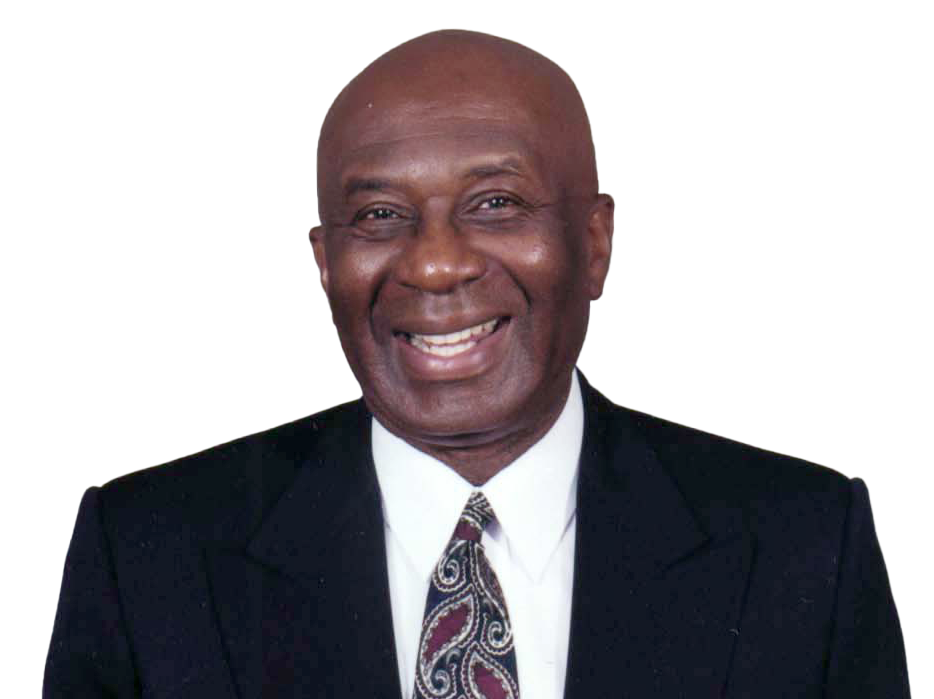
By Major Ben Brooks
Every family member asks this question daily. I wonder how many leaders realize the gravity of that question for their officers. When they get up in the morning, they have quiet time with their family before embarking on, hopefully, another routine day at the office. The officer must ensure that every interaction with the public enhances the officer’s ability to return home and care for those who depend on them, making the right decisions on their behalf. Because of the perilous times in which they live, leaders must do everything in their power to ensure they have all the armament needed to stay safe. They have a car that keeps them safe from the elements, a bulletproof vest to protect their body, a weapon, mace, taser, handcuffs, and a portable radio, all to defend themselves from any unfortunate, sometimes violent incidents. There is a huge expenditure to make this possible.
As leaders, there is great comfort knowing you have covered all bases. But there is something that has been lurking below the surface, receiving little attention. When you listen to the radio, watch television, or read the newspaper, you are alarmed by the stomach-turning headlines. The most immediate response is How and why is this happening? Many officers, in their defense, will say they felt threatened and feared for their lives. Despite all the equipment you provide, the thing that keeps you awake at night is your officer’s inability to effectively handle conflict situations, particularly in their multicultural work environment. There should be greater attention to equipping officers with the verbal skills needed to handle such conflicts. Verbal Judo must be an integral part of the agenda; not just taught, but executed.
When an officer encounters a member of the public, there is a shared sense of fear on both sides. Neither the officer nor the individual knows what may happen next. The most critical response at that time is the officer’s ability to address the immediate situation. Psychologically, the person who is the focus of attention is prepared for the worst, whether it is a ticket or a possible assault. The human response in both individuals is the body’s preparation for the fight-or-flight response.
The most critical step at that point is for the officer to make verbal contact with the individual. His first utterance will dictate the potential outcome of the encounter. If he is aware of what is happening psychologically, his first move is to lower the emotional temperature with a positive greeting; otherwise, a confrontation may ensue. No matter the outcome, the officer will always lose, because the expectation is that they can handle these confrontations effectively. The reality is that it won’t happen daily unless officers employ the verbal skills needed to handle such high-stress incidents.
There may be those who believe I’m looking at this issue through rose colored glasses. To set the record straight, I’m writing about what I have lived, not what I heard or read. For example, one night I was at a club in Pittsburgh listening to some good music. Suddenly I felt a tap on my shoulder. When I turned to see who had made the tap, I saw a large man who asked if I was Trooper Brooks. My heart began racing like an amoeba under a microscope. I acknowledged that it was me. He mentioned that I had arrested him some years ago. My heart began to pound, like it was jumping out of my chest, because I knew I had a reputation for stopping many motorists during my shifts as a trooper. As a result, I had no idea who the people were or whether I would see them again.
I was relieved when he said it was okay because you treated me well. I want you to know how much I appreciated the encounter. To say I was greatly relieved is an understatement. A few years later, I developed a course called “policing your image,” which focused on how officers should present themselves, particularly in tense situations. The course focused on successful personal experiences.
Reflecting on the incident at the club, I realize it was a positive experience. I wonder what would’ve happened if the scenario had ended differently. I concluded that the catalyst for the success of that encounter was directly attributable to my philosophy of treating people with dignity, respect, and self-worth, until they demonstrated behavior that demanded something different. Throughout my career, I fulfilled my obligation to answer my family’s questions by using my verbal skills