
It is disheartening to see the phenomenon of hate embraced by so many people who don't understand the origin, meaning, or impact. To grasp the significance, you must first understand what it means. It is an intense, deep-seated emotional response of strong dislike,...
MAJOR BEN’S ARTICLES
Below is a list of articles by Major Ben Brooks that have appeared in the Times Herald.
Daddy, What Time Will You Be Home Tonight?
Every family member asks this question daily. I wonder how many leaders realize the gravity of that question for their officers. When they get up in the morning, they have quiet time with their family before embarking on, hopefully, another routine day at the office....
Leaks
A leak is an unintended hole, crack, or fault that allows a substance- such as a liquid, gas, or light- to escape or enter a container or system. As a child growing up in the rural South, I watched my father build his own home. At that time, he installed a tin roof....
Masks and Officer Safety
As a career law enforcement officer, I am perplexed by the recent debate over officers wearing masks. Everything I learned about law enforcement involved honesty, integrity, and, most of all, transparency. The federal government has a duty to present law enforcement...
Bias Understood
As an international speaker, trainer, and consultant, I have been intrigued by the lack of understanding of various terms, with people using them without knowing their meanings or applications. At one of my National Speakers Association conferences, a presenter shared...
Fear and Bias as a Law Enforcement Blind Spot
Fear – an unpleasant feeling triggered by the perception of danger real or imagined. Origin - past experiences (0-6) History - nomadic days (fight or flight) Survival function - to protect us, triggered by a significant event, i.e., hot, cold, wet, trauma Source: New...
DEI America’s Biggest Blind Spot
In 2016, I took a course with AARP in defensive driving. Having been driving since I was sixteen, I was curious about what the instructor could teach me. I signed up for the course to get a discount on my car insurance. As the instructor went through his orientation,...
DEI, The Latest Bogeyman
DEI is the latest catchphrase that is the catalyst for the present state of the divided states of America. We raise and salute the flag as we recite the Pledge of Allegiance to the United States of America. As patriotic as that sounds, it is far from our day-to-day...
The Reality of Community Policing
Many police executives approached community-oriented policing with a great deal of skepticism because they didn’t realize the critical role that the community plays in their success. Many felt they could do it on their own. Dr. Lee Brown, a former police commissioner...
A Practical Approach to Addressing School Shootings
After Columbine, over four hundred school shootings were reported in America. Every citizen should be outraged that our society has allowed that to happen. Schools should be the safest place in our community for our students, staff, and teachers. It is challenging to...
DEI and Leadership
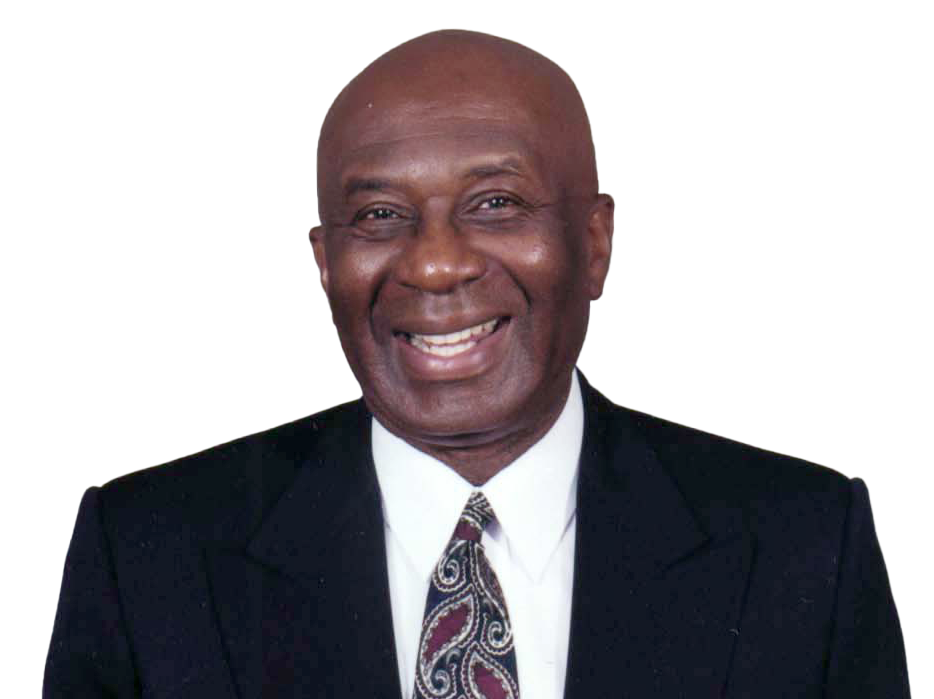
By Major Ben Brooks
The best definition I can find is that leadership is a social process of influencing, inspiring, and guiding people toward a shared goal. Throughout my years in the military and law enforcement, I’ve had the opportunity to observe many leaders. I remember serving as a general’s orderly for General W. C. Westmoreland, who was the Army’s youngest two-star general and commander of the 101st Airborne Division at Fort Campbell, Kentucky. A general’s orderly is a soldier assigned to attend a high-ranking officer, such as a general, to carry messages, handle administrative tasks, or assist with daily duties.
A general’s orderly is a soldier who earns the distinction of being a supernumerary, a designation for the officer who wins the military history contest, similar to Jeopardy, in which soldiers from a guard platoon answer questions about the military. I was fortunate to win.
I remember one conversation when he told me that a general who cannot take advice from a private is a fool. That statement has stayed with me throughout my career.
I have learned that leaders will always be successful if they understand the impact of writing and cultural flexibility. It is amazing how many people miss the mark. Demonizing DEI ignores the foundation for a leader’s success. How do you fight a war without understanding or appreciating DEI’s impact? Try fighting a war when the enemy does not look like you. How do you gather intelligence without using the very concept many seem to disdain under the guise of anti-wokeness?
Understanding DEI’s value in meeting their needs is critical to a leader’s success. I remember an article in reference to the United States Army when we first invaded Iraq. An emergency initiative in Glencoe, Georgia, addressed the minimum language needs for engaging in the Iraq war effort. Another article indicated that when we got into Somalia, there were only nine people in the entire military who spoke the Somali language. These are examples of the benefits of DEI, which addresses critical needs for leaders’ success. My National Speakers Association colleague, Harvey Mackay, wrote a book titled Dig Your Well Before You Are Thirsty. Anti-DEI, anti-wokeness, and a monocultural message are the recipe for failure in our multicultural world.