
It is disheartening to see the phenomenon of hate embraced by so many people who don't understand the origin, meaning, or impact. To grasp the significance, you must first understand what it means. It is an intense, deep-seated emotional response of strong dislike,...
MAJOR BEN’S ARTICLES
Below is a list of articles by Major Ben Brooks that have appeared in the Times Herald.
Daddy, What Time Will You Be Home Tonight?
Every family member asks this question daily. I wonder how many leaders realize the gravity of that question for their officers. When they get up in the morning, they have quiet time with their family before embarking on, hopefully, another routine day at the office....
Leaks
A leak is an unintended hole, crack, or fault that allows a substance- such as a liquid, gas, or light- to escape or enter a container or system. As a child growing up in the rural South, I watched my father build his own home. At that time, he installed a tin roof....
Masks and Officer Safety
As a career law enforcement officer, I am perplexed by the recent debate over officers wearing masks. Everything I learned about law enforcement involved honesty, integrity, and, most of all, transparency. The federal government has a duty to present law enforcement...
Bias Understood
As an international speaker, trainer, and consultant, I have been intrigued by the lack of understanding of various terms, with people using them without knowing their meanings or applications. At one of my National Speakers Association conferences, a presenter shared...
Fear and Bias as a Law Enforcement Blind Spot
Fear – an unpleasant feeling triggered by the perception of danger real or imagined. Origin - past experiences (0-6) History - nomadic days (fight or flight) Survival function - to protect us, triggered by a significant event, i.e., hot, cold, wet, trauma Source: New...
DEI America’s Biggest Blind Spot
In 2016, I took a course with AARP in defensive driving. Having been driving since I was sixteen, I was curious about what the instructor could teach me. I signed up for the course to get a discount on my car insurance. As the instructor went through his orientation,...
DEI, The Latest Bogeyman
DEI is the latest catchphrase that is the catalyst for the present state of the divided states of America. We raise and salute the flag as we recite the Pledge of Allegiance to the United States of America. As patriotic as that sounds, it is far from our day-to-day...
The Reality of Community Policing
Many police executives approached community-oriented policing with a great deal of skepticism because they didn’t realize the critical role that the community plays in their success. Many felt they could do it on their own. Dr. Lee Brown, a former police commissioner...
A Practical Approach to Addressing School Shootings
After Columbine, over four hundred school shootings were reported in America. Every citizen should be outraged that our society has allowed that to happen. Schools should be the safest place in our community for our students, staff, and teachers. It is challenging to...
DEI Is Not About Guilt Or Blame
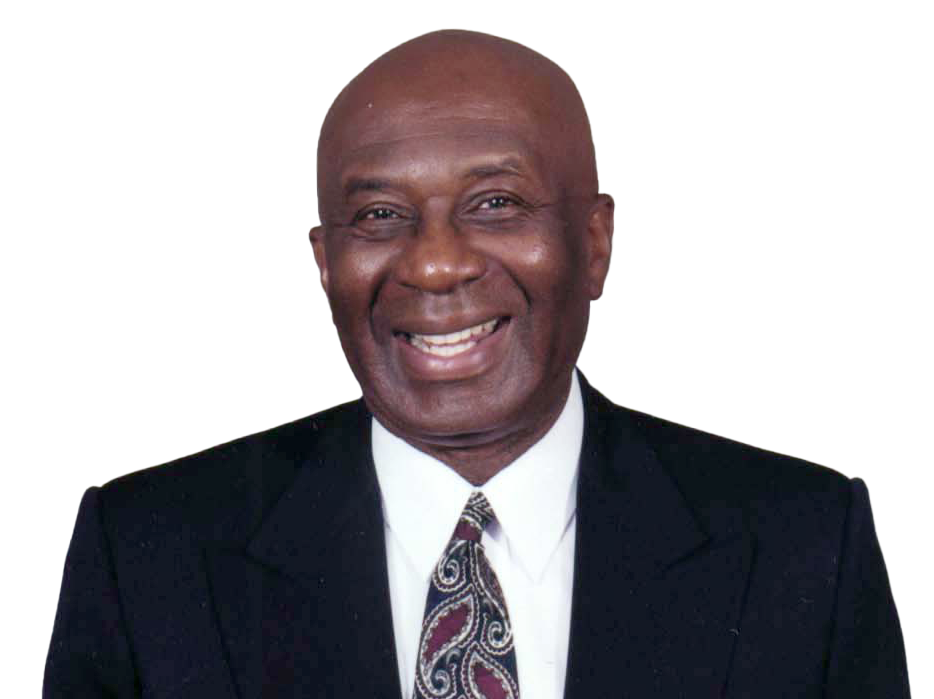
By Major Ben Brooks
As a lifelong advocate of diversity and inclusion, I am saddened by some Neanderthal approaches to the subject. There are many stories about the approach certain trainers in DEI are taking when attempting to address this phenomenon. It is important to recognize the sensitive nature of DEI and the impact on the employees we are trying to educate. The first step is to establish an emotional connection. It cannot begin with demonizing the inclusion of white males. Consequently, guilt or blame cannot be a part of the introduction.
My first recognition of the societal impact of DEI occurred when the Workforce 2000 report was issued. That report indicated that by the year 2000, 85% of the entrance into the workforce would be minorities or females, and only 15% would be white and male. This report sent shockwaves through the American workforce.
There was consternation about the diminution of the presence of white males in the future workforce. I recall a session by Samuel Betances, a world-renowned DEI Consultant who had a white male in his class who wanted to know if those numbers are correct, what was going to happen to white males. He explained that the numbers were tied to birth rates. When the white male responded, what can we do about it? Samuel Betances replied, “You better get busy.’
In the era of demonization of diversity, equity, and inclusion it is important to ensure that the true message is not being hijacked by those espousing any approach where the feelings of white participants are challenged by exposure to D E I, and other related topics that are being touted as resistance to Wokeism.
Recognizing the sensitive nature of the perception of a loss of power, it is important to have a diverse, inclusive, humanistic approach free of guilt or blame to connect with the audience. It is important to remember that every participant has a need to be heard and have their needs met. Being able to establish that meaningful connection, ensures greater buy-in.
One of the surest ways to achieve buy-in is the direct engagement of all participants before the subject of diversity and inclusion is broached. I had tremendous success when the participants were able to articulate their perception of diversity which was captured on newsprint. During the debriefing, every one of their utterances was acknowledged as an aspect of diversity. This was done in an attempt to debunk the myths that diversity was only about white, black, male, or female. They were able to see that it was more about differences and similarities than any previous misconceptions.
The successful DEI presentation is devoid of guilt or blame with a strong emphasis on humanization and the contributions and value of all participants.