
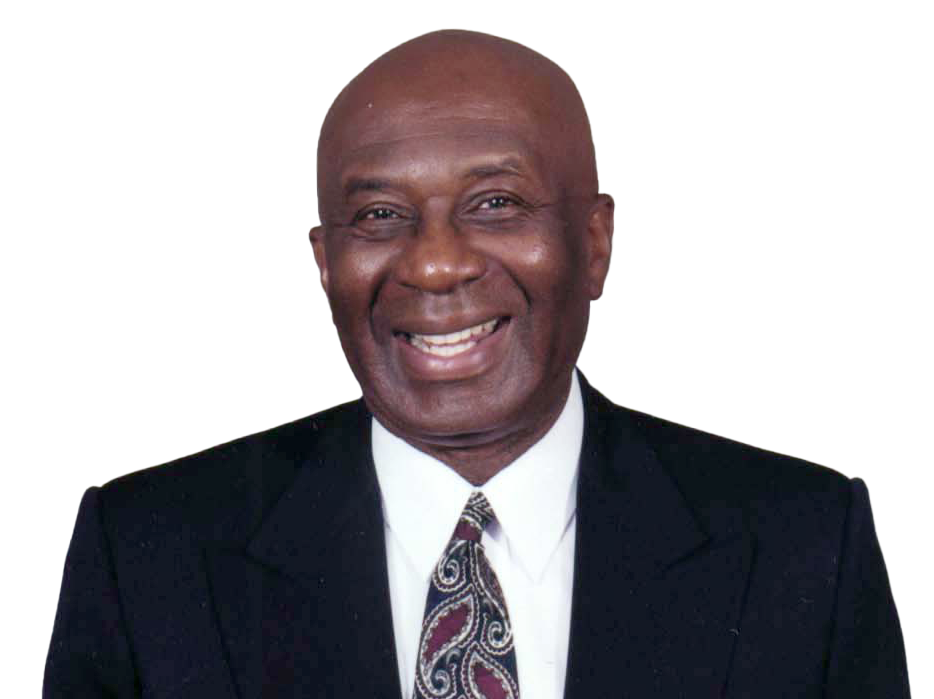
The best definition I can find is that leadership is a social process of influencing, inspiring, and guiding people toward a shared goal. Throughout my years in the military and law enforcement, I've had the opportunity to observe many leaders. I remember serving as a...
MAJOR BEN’S ARTICLES
Below is a list of articles by Major Ben Brooks that have appeared in the Times Herald.
Daddy, What Time Will You Be Home Tonight?
Every family member asks this question daily. I wonder how many leaders realize the gravity of that question for their officers. When they get up in the morning, they have quiet time with their family before embarking on, hopefully, another routine day at the office....
Leaks
A leak is an unintended hole, crack, or fault that allows a substance- such as a liquid, gas, or light- to escape or enter a container or system. As a child growing up in the rural South, I watched my father build his own home. At that time, he installed a tin roof....
Masks and Officer Safety
As a career law enforcement officer, I am perplexed by the recent debate over officers wearing masks. Everything I learned about law enforcement involved honesty, integrity, and, most of all, transparency. The federal government has a duty to present law enforcement...
Bias Understood
As an international speaker, trainer, and consultant, I have been intrigued by the lack of understanding of various terms, with people using them without knowing their meanings or applications. At one of my National Speakers Association conferences, a presenter shared...
Fear and Bias as a Law Enforcement Blind Spot
Fear – an unpleasant feeling triggered by the perception of danger real or imagined. Origin - past experiences (0-6) History - nomadic days (fight or flight) Survival function - to protect us, triggered by a significant event, i.e., hot, cold, wet, trauma Source: New...
DEI America’s Biggest Blind Spot
In 2016, I took a course with AARP in defensive driving. Having been driving since I was sixteen, I was curious about what the instructor could teach me. I signed up for the course to get a discount on my car insurance. As the instructor went through his orientation,...
DEI, The Latest Bogeyman
DEI is the latest catchphrase that is the catalyst for the present state of the divided states of America. We raise and salute the flag as we recite the Pledge of Allegiance to the United States of America. As patriotic as that sounds, it is far from our day-to-day...
The Reality of Community Policing
Many police executives approached community-oriented policing with a great deal of skepticism because they didn’t realize the critical role that the community plays in their success. Many felt they could do it on their own. Dr. Lee Brown, a former police commissioner...
A Practical Approach to Addressing School Shootings
After Columbine, over four hundred school shootings were reported in America. Every citizen should be outraged that our society has allowed that to happen. Schools should be the safest place in our community for our students, staff, and teachers. It is challenging to...
Hate
By Major Ben Brooks
It is disheartening to see the phenomenon of hate embraced by so many people who don’t understand the origin, meaning, or impact. To grasp the significance, you must first understand what it means. It is an intense, deep-seated emotional response of strong dislike, aversion, or hostility toward people, ideas, or things. Why do people hate? I believe they don’t understand. It is impossible to hate someone you like or respect. Consequently, we have to make a concerted effort to connect with the object of that vitriol. When political leaders utter hateful comments, they don’t understand the impact they have on an uninformed listener who has a strong bias about certain people, things, or ideas.
When a child is born, they are bias- and hate-free. Between ages 0-6, personality forms. They learn everything through imitation or emulation. After that, those learned behaviors are reinforced, which begins the story that shapes their life decisions. Hate rears its head when they’re confronted with people, ideas, or things that are different. They accept the response as normal because it fits the story consistent with their upbringing and exposure.
Life experiences sometimes confirm or refute the story they embrace. I remember a story I heard from the late Dr. Barbara Collins, who recounted a story of a young white female whose grandmother was awaiting a kidney transplant. The doctor approached her and told her she was in luck because he had a perfect match. The grandmother looked up at the doctor and asked, “Is it from someone black?” to which he replied, yes. She said I would rather die. The granddaughter was distraught because she did not understand the origin of the deep-seated hate. In reality, the grandmother developed the story from her parents.
Contrast that scenario with an episode of The Oprah Winfrey Show in which two soldiers shared a story about their experiences during the Vietnam War. One was a white male from Mississippi who had been taught from childhood to hate people of color. That story remained with him during his military career. However, one day he was seriously wounded, possibly life-threatening. A black soldier was responsible for saving his life. He remarked that his story changed when he realized someone different from him saved his life.
Each of us can benefit from recognizing that the stories we carry in our heads, particularly those about hate, may deprive us of the quality of life we can enjoy by connecting with those who may be different.