
It is disheartening to see the phenomenon of hate embraced by so many people who don't understand the origin, meaning, or impact. To grasp the significance, you must first understand what it means. It is an intense, deep-seated emotional response of strong dislike,...
MAJOR BEN’S ARTICLES
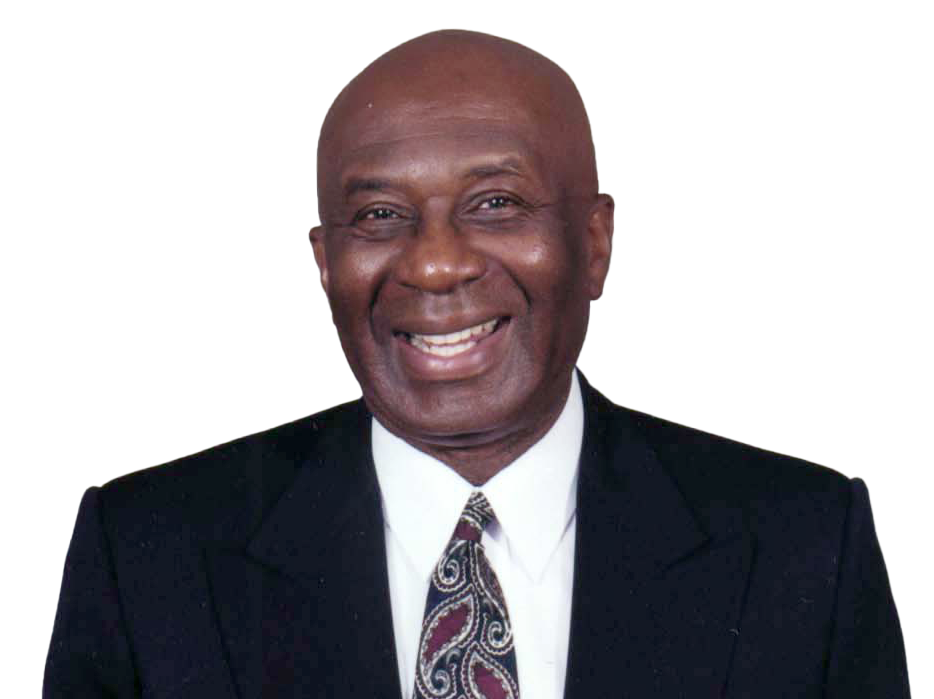
Below is a list of articles by Major Ben Brooks that have appeared in the Times Herald.
Daddy, What Time Will You Be Home Tonight?
Every family member asks this question daily. I wonder how many leaders realize the gravity of that question for their officers. When they get up in the morning, they have quiet time with their family before embarking on, hopefully, another routine day at the office....
Leaks
A leak is an unintended hole, crack, or fault that allows a substance- such as a liquid, gas, or light- to escape or enter a container or system. As a child growing up in the rural South, I watched my father build his own home. At that time, he installed a tin roof....
Masks and Officer Safety
As a career law enforcement officer, I am perplexed by the recent debate over officers wearing masks. Everything I learned about law enforcement involved honesty, integrity, and, most of all, transparency. The federal government has a duty to present law enforcement...
Bias Understood
As an international speaker, trainer, and consultant, I have been intrigued by the lack of understanding of various terms, with people using them without knowing their meanings or applications. At one of my National Speakers Association conferences, a presenter shared...
Fear and Bias as a Law Enforcement Blind Spot
Fear – an unpleasant feeling triggered by the perception of danger real or imagined. Origin - past experiences (0-6) History - nomadic days (fight or flight) Survival function - to protect us, triggered by a significant event, i.e., hot, cold, wet, trauma Source: New...
DEI America’s Biggest Blind Spot
In 2016, I took a course with AARP in defensive driving. Having been driving since I was sixteen, I was curious about what the instructor could teach me. I signed up for the course to get a discount on my car insurance. As the instructor went through his orientation,...
DEI, The Latest Bogeyman
DEI is the latest catchphrase that is the catalyst for the present state of the divided states of America. We raise and salute the flag as we recite the Pledge of Allegiance to the United States of America. As patriotic as that sounds, it is far from our day-to-day...
The Reality of Community Policing
Many police executives approached community-oriented policing with a great deal of skepticism because they didn’t realize the critical role that the community plays in their success. Many felt they could do it on their own. Dr. Lee Brown, a former police commissioner...
A Practical Approach to Addressing School Shootings
After Columbine, over four hundred school shootings were reported in America. Every citizen should be outraged that our society has allowed that to happen. Schools should be the safest place in our community for our students, staff, and teachers. It is challenging to...
Police and Community Partnering
By Major Ben Brooks
Like many of you, I have been very disturbed about the sharp rise in the murder rate in our cities. The police as well as the general public have expressed outrage, and rightfully so. From the lack of sufficient manpower on the streets to the reticence of the public to become involved, we are in a crisis.
Many agencies and community groups are desperately trying to come up with answers. The most frequent refrain from the community is why aren’t the police doing more to curb crime before it occurs and why aren’t they doing more to catch the crooks and prosecute those who are eventually apprehended? That seems like a valid inquiry. However, one piece of the puzzle is missing—public participation.
Many in the community express morbid fear at providing information about the shenanigans of those who prey on the innocent victims within their communities. Such fears are very well grounded in the notion that retribution is a stark reality. It is a known fact on the streets that the police are not able to protect everyone from the clutches of those who are bent on lawlessness.
So what is the answer? Thankfully, the police in many cities are responding to the public display of CDs and T-shirts that exhort the young people to not snitch to the police. In Baltimore, for example, the police were instrumental in identifying the producer of some of the CDs and made some arrests. That helps to address one aspect of the problem, but the bigger question is how are we addressing the climate that produced the behavior that gave rise to such negative messages in the first place.
Help is on the way, thanks to Alfred W. Dean Jr., who heads the Pennsylvania Regional Policing Institute in Allentown. The institute offers courses in Community-Oriented Policing, an old concept that attempts to bring the police and the community together. Police do not solve crimes alone. To succeed, they must rely on members of the community.
If we are to make significant progress in fighting crime, law enforcement must use every available resource within the community. The institute can help. In addition to Police and Community Partnering, the institute has courses available on such topics as COPS in School, Domestic Violence, and Ethics in Law Enforcement. Chiefs of police would be wise to take advantage of these programs to help bridge the chasm that exists between the police and community.
Many of the resources that law enforcement needs are within your reach. Are you willing to make the effort? It takes all of us to succeed. If we continue to do things the way we have always done them, the result will always be the same. It is time for a change. It is time for the community and police to join forces to fight crime and end this crisis.