
It is disheartening to see the phenomenon of hate embraced by so many people who don't understand the origin, meaning, or impact. To grasp the significance, you must first understand what it means. It is an intense, deep-seated emotional response of strong dislike,...
MAJOR BEN’S ARTICLES
Below is a list of articles by Major Ben Brooks that have appeared in the Times Herald.
Daddy, What Time Will You Be Home Tonight?
Every family member asks this question daily. I wonder how many leaders realize the gravity of that question for their officers. When they get up in the morning, they have quiet time with their family before embarking on, hopefully, another routine day at the office....
Leaks
A leak is an unintended hole, crack, or fault that allows a substance- such as a liquid, gas, or light- to escape or enter a container or system. As a child growing up in the rural South, I watched my father build his own home. At that time, he installed a tin roof....
Masks and Officer Safety
As a career law enforcement officer, I am perplexed by the recent debate over officers wearing masks. Everything I learned about law enforcement involved honesty, integrity, and, most of all, transparency. The federal government has a duty to present law enforcement...
Bias Understood
As an international speaker, trainer, and consultant, I have been intrigued by the lack of understanding of various terms, with people using them without knowing their meanings or applications. At one of my National Speakers Association conferences, a presenter shared...
Fear and Bias as a Law Enforcement Blind Spot
Fear – an unpleasant feeling triggered by the perception of danger real or imagined. Origin - past experiences (0-6) History - nomadic days (fight or flight) Survival function - to protect us, triggered by a significant event, i.e., hot, cold, wet, trauma Source: New...
DEI America’s Biggest Blind Spot
In 2016, I took a course with AARP in defensive driving. Having been driving since I was sixteen, I was curious about what the instructor could teach me. I signed up for the course to get a discount on my car insurance. As the instructor went through his orientation,...
DEI, The Latest Bogeyman
DEI is the latest catchphrase that is the catalyst for the present state of the divided states of America. We raise and salute the flag as we recite the Pledge of Allegiance to the United States of America. As patriotic as that sounds, it is far from our day-to-day...
The Reality of Community Policing
Many police executives approached community-oriented policing with a great deal of skepticism because they didn’t realize the critical role that the community plays in their success. Many felt they could do it on their own. Dr. Lee Brown, a former police commissioner...
A Practical Approach to Addressing School Shootings
After Columbine, over four hundred school shootings were reported in America. Every citizen should be outraged that our society has allowed that to happen. Schools should be the safest place in our community for our students, staff, and teachers. It is challenging to...
Racial Profiling Case Settled
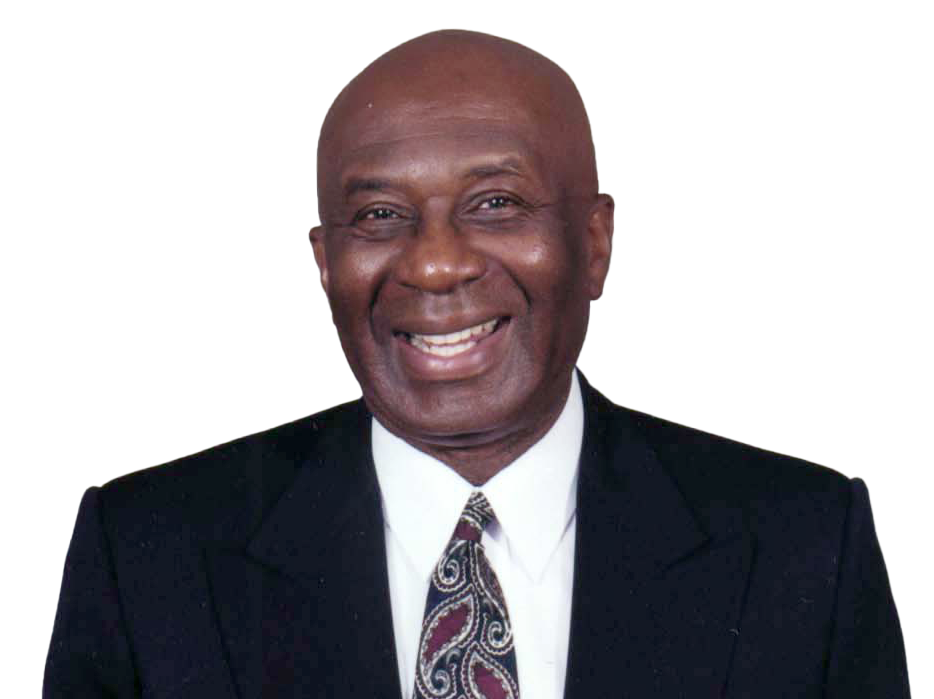
By Major Ben Brooks
Like many of you, I have followed the racial profiling case involving Whitemarsh Township police department. I was especially interested to hear when the case was finally settled and the victims received a cash award for the wrong they perceived occurred to them. I imagine that many police chiefs breathed a sigh of relief that it was not their department cited in the incident that gave rise to the original allegations in Whitemarsh.
But what happened in Whitemarsh should be a serious wake-up call for all police departments. I would caution every police chief that his or her department is just one illegal car stop away from becoming the subject of a similar lawsuit. You can no longer keep your heads in the sand proclaiming that your department does not profile. As long as police departments are being evaluated on the basis of the arrests they make, racial profiling complaints will continue.
If the Whitemarsh case taught law enforcement leaders anything, it should be to take a careful look at your policies and procedures for handling such incidents and to ask yourself the following questions:
l) Do I have a policy that requires my officers to have a clearly stated reason for making car stops? For example, does the stop involve anything other than race, sex, national origin, religion, or sexual preference? If the stop involves any of these criteria, you are profiling.
2) Was the stop legal? Will your officers be able to testify truthfully that the stop was not a pretext? A pretextual stop is when the articulated reason given for the police action is not acted upon, thereby allowing the emphasis to be placed on race, sex, national origin, sexual preference, or probability. Probability is the belief that if enough people of a particular class or hue are stopped, there is bound to be something that can justify having made the stop.
Does the stop meet the test of probable cause to take action? For example, was there reasonable suspicion to believe that an infraction has occurred, absent race, sex, national origin, religion, sexual preference, or probability? Once the stop is made, are the questions asked by the officer consistent with the belief that a violation of the law has occurred? For example, was there an odor of marijuana or alcohol? Does the officer have a specific reason to request permission to search the vehicle absent a belief that contraband is present?
3) Was the action the officer took moral? Is the officer able to lay his/her head on a pillow at night and go soundly to sleep knowing that he/she has done the right thing in accordance with sound, reasonable police practices and procedures?
4) Was the action the officer took ethical? Would the officer or the department be embarrassed to see his/her action played over and over on the police video camera or on television on the evening news?
A national initiative is occurring to have all police departments collect volumes of data to show whether or not they are guilty of racial profiling by stopping more people of color than white people. Why should police chiefs sit back and allow such a mandate when they have the capacity to handle the situation more appropriately from within? Is it because you have always been in the reactive mode and do not want to move away from your level of comfort? Is it because you resist the idea of taking the proper action? Or do you enjoy having to come to the table kicking and screaming before changes are made?
I would strongly suggest that you take a good look at what happened in Whitemarsh and work diligently with your community and other organizations that stand ready to help law enforcement to bring about some meaningful changes in how you do business. Your success will always depend on the efforts of other people. Only when you as a law enforcement leader realize that you cannot do it alone and that the public must be involved, will you be able to get beyond spending public monies on huge settlements and be able to comprehensively address these issues to the satisfaction of everyone.
I challenge each of you to assess your department’s training and educational awareness programs to see if they are meeting your goals and limiting your organization’s liability. Keep in mind that many organizations are sued heavily on the basis of failure to train. It’s up to you: Are you willing to be part of the solution, or will you be satisfied with continuing to be part of the problem?